


-

Add: HeBei ShengShi HongBang Cellulose Technology CO.,LTD.
-

Email
13180486930@163.com -

CONTACT US
+86 13180486930
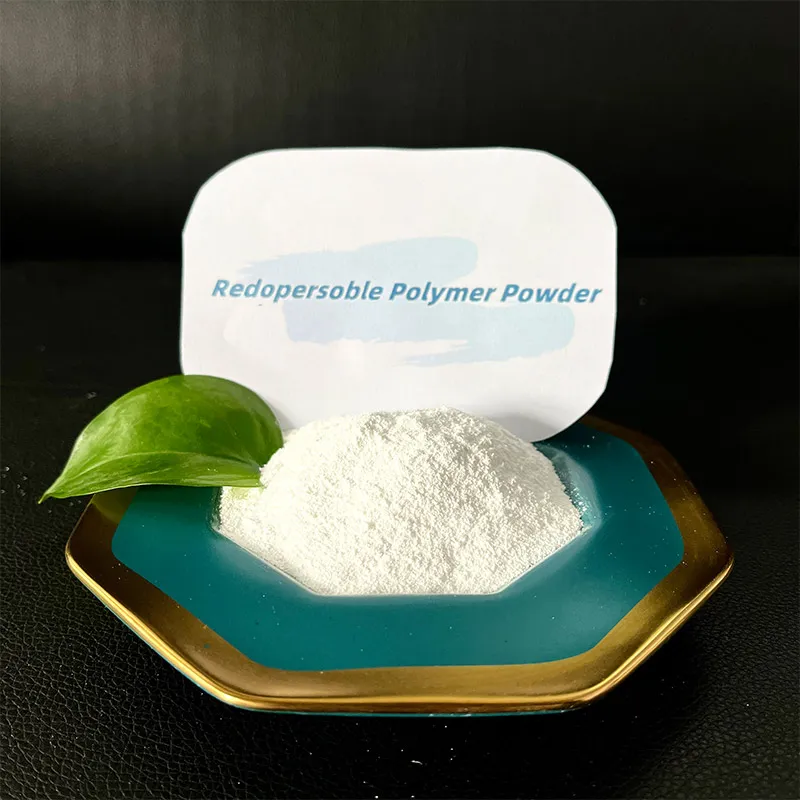

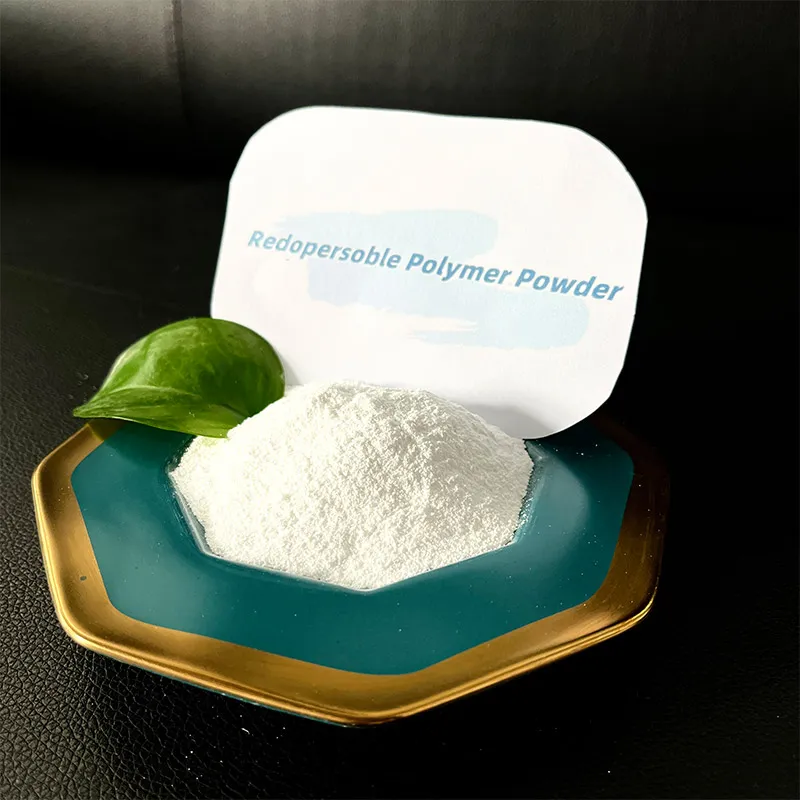
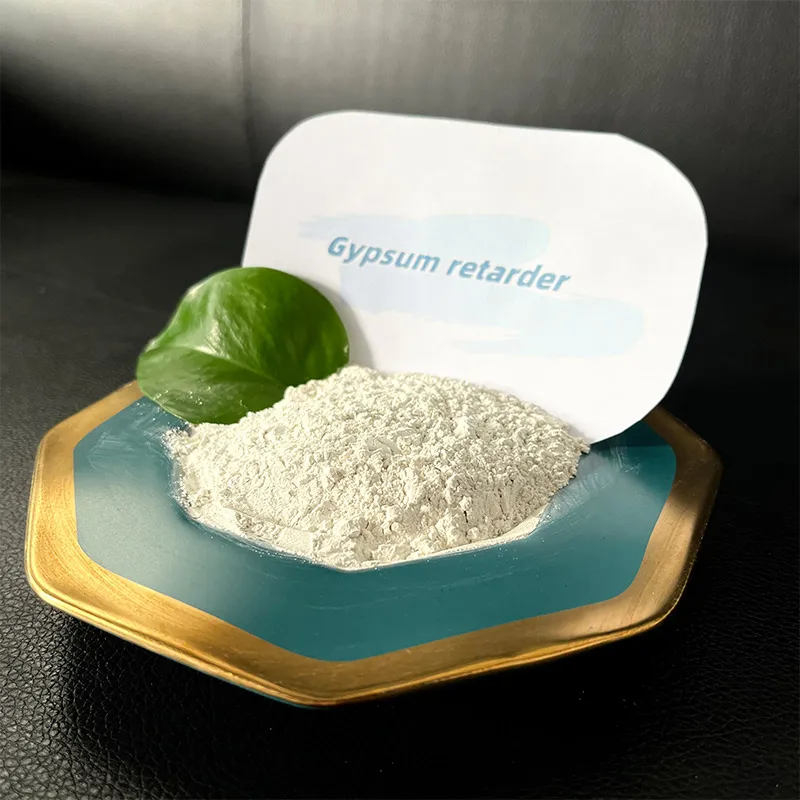
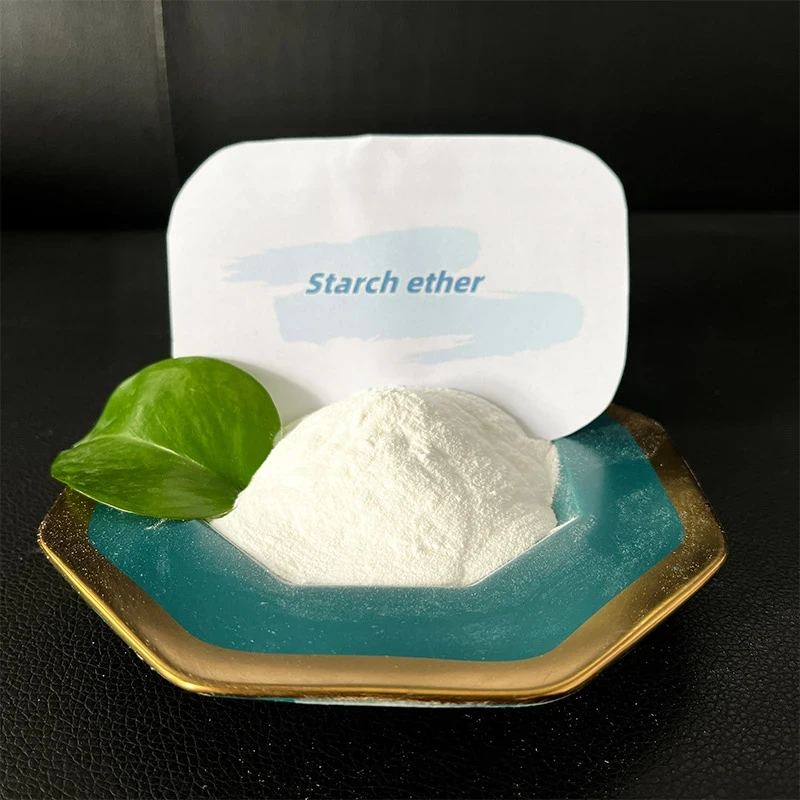



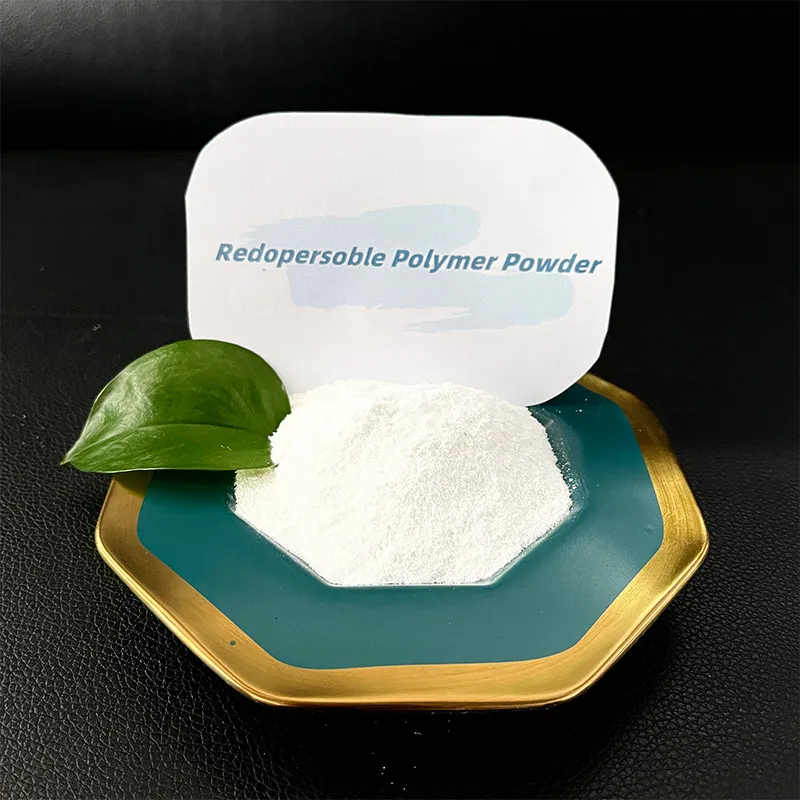
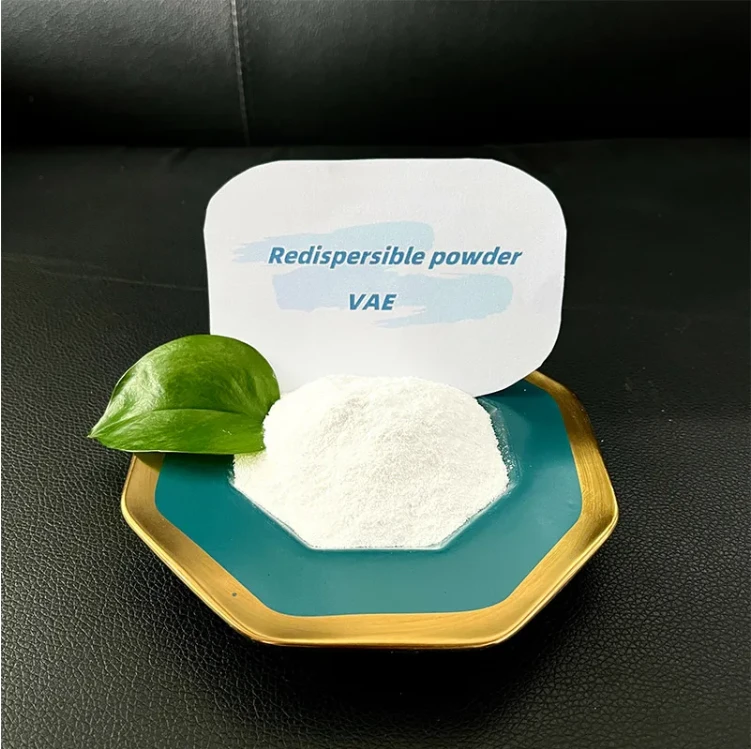
Polymer powder is a key ingredient in many industries, providing critical properties to products in construction, adhesives, coatings, and more. With its wide range of applications, polymer powder enhances the performance, durability, and flexibility of finished products. Available in various forms, polymer powder s can be tailored to meet the specific needs of different applications, making them a versatile choice for manufacturers worldwide. Whether you're working in construction, paints, or textiles, polymer powder offers the ideal solution for improving your products’ functionality. Explore Our Range of Colored Polymer Powder If you need vibrant, long-lasting colors in your products, colored polymer powder is the way to go. Whether you're producing construction materials, decorative coatings, or consumer goods, colored polymer powder offers an efficient way to introduce rich, stable colors into your products. Our premium colored polymer powder is designed to maintain its brightness and consistency, ensuring your products stand out. With a wide selection of shades, you can achieve the exact color you need while maintaining high quality and performance. The Benefits of Redispersible Polymer Powder Redispersible polymer powder is a game-changer in many industrial applications. Unlike traditional resins, redispersible polymer powder can be re-dispersed in water to create a solution, which offers greater convenience and efficiency for various processes. Widely used in adhesives, tile grout, and plaster, redispersible polymer powder enhances bonding strength, flexibility, and durability. This type of polymer powder is particularly valued in the construction and building materials sectors, providing superior performance while reducing transportation and storage costs. Discover the many benefits of using redispersible polymer powder in your formulations today. What Influences Polymer Powder Price? When considering polymer powder price , it’s important to understand the factors that affect the cost. The polymer powder price can vary depending on the type of polymer used, the quantity purchased, and the specific application for which the powder is intended. High-performance polymer powder may be priced higher due to its specialized formulations, while larger orders typically reduce the cost per unit. Additionally, polymer powder price can also depend on the presence of additives, colorants, and whether the polymer powder is customized for particular applications. To ensure you're getting the best value for your needs, always consider both the performance and the cost-effectiveness of the polymer powder price . Why Choose Our Polymer Powders for Your Business? Our polymer powder products are crafted with the highest standards of quality and performance, ensuring that your manufacturing processes run smoothly. From colored polymer powder to redispersible polymer powder , we offer a comprehensive selection that suits a wide variety of industries. Our polymer powder solutions are designed to enhance the quality of your final products, increase production efficiency, and offer cost-effective solutions for your business. With competitive polymer powder price s, we guarantee the best value for your investment. Whether you need a specialized formula or a standard polymer powder , our products are the perfect addition to your production line. Polymer Powders FAQs What is polymer powder? Polymer powder is a fine, dry material made from polymers, typically used in various industrial applications to improve the properties of products like adhesives, coatings, and construction materials. It is valued for its ability to enhance flexibility, strength, and durability in the final product. Polymer powder can come in different types, such as colored polymer powder or redispersible polymer powder , each serving specific functions depending on the industry. What is colored polymer powder used for? Colored polymer powder is primarily used to add vibrant colors to products such as construction materials, coatings, and consumer goods. The color pigments are stable and long-lasting, ensuring that the final product maintains its color over time, even under challenging conditions. It’s ideal for applications where both color and performance are important, making it perfect for industries like construction, automotive, and packaging. What is redispersible polymer powder and how is it used? Redispersible polymer powder is a special type of polymer powder that can be re-dispersed in water, forming a solution that can be easily applied in a variety of industrial processes. It’s commonly used in adhesives, tile grouts, and plaster, where it improves bonding strength, flexibility, and water resistance. The ability to re-dispense the polymer powder in water makes it a more convenient and cost-effective solution for many manufacturing processes. How does the polymer powder price vary? The polymer powder price depends on several factors, including the type of polymer used, the quantity purchased, and whether any special additives or colors are involved. Specialty redispersible polymer powder sand colored polymer powder s often come at a higher price due to their advanced formulations. Additionally, larger volume purchases can reduce the polymer powder price per unit, offering better cost-effectiveness for bulk orders. Why should I choose your polymer powders? Our polymer powder sare craftedto meet the highest standards of quality, ensuring that your products perform at their best. We offer a wide selection of colored polymer powder s and redispersible polymer powder s, all designed to enhance the durability, flexibility, and performance of your products. Our polymer powder price is competitive, offering you the best value for your investment. Whether you’re in construction, coatings, or any other industry, we have the perfect polymer powder solution for you.
- 40000tons

Production
- 20+years

Experience
- 5000+㎡

Acreage

-
Hydroxypropyl starch phosphate is rapidly gaining traction as a prominent ingredient in the food , pharmaceutical, and personal care industries. This innovative starch derivative is a testament to modern scientific advancements, transforming traditional starch-rich ingredients into more versatile solutions. This modified starch is created by treating regular starch with propylene oxide and phosphoric acid, resulting in a compound that boasts superior stability and functionality. Its primary application lies in its thickening, texturizing, and stabilizing properties, which cater to an array of product formulations across various sectors. In the food industry, hydroxypropyl starch phosphate is celebrated for its ability to enhance the texture and shelf-life of consumables. Its unique structure allows it to withstand processing conditions that might typically degrade regular starch, such as extreme temperatures or varying pH levels. This makes it an excellent choice for canned soups, sauces, and frozen desserts that require consistent quality over time. By resisting retrogradation, it ensures that products maintain their desired texture without becoming gritty or separating, offering a more satisfying experience to consumers. The pharmaceutical sector also benefits significantly from the incorporation of hydroxypropyl starch phosphate. It acts as an excipient, playing an essential role in drug formulation. It helps in the stabilization of active ingredients, ensuring that medications are effective throughout their shelf life. Additionally, its solubility and binding properties facilitate the creation of tablets and capsules that dissolve at the desired rate, optimizing drug delivery. Meanwhile, in personal care products, this starch derivative functions as a thickener and stabilizer in creams, lotions, and hair care items. Its ability to maintain viscosity, even in the presence of electrolytes common in such products, enhances the sensory experience of users, providing smooth application and consistent efficacy. hydroxypropyl starch phosphate From a professional standpoint, the incorporation of hydroxypropyl starch phosphate into products not only aligns with quality assurance standards but also meets the growing consumer demand for sustainable and efficacious ingredients. As manufacturers strive to develop goods that combine performance with eco-friendliness, this starch emerges as an ideal choice. It is derived from natural resources and can be tailored to have specific attributes that reduce the need for synthetic additives, thus offering an environmentally friendly alternative. When considering the regulatory landscape, hydroxypropyl starch phosphate has been deemed safe by food safety authorities, including the FDA and EFSA. It is important to note, however, that manufacturers must adhere to specific usage limits and purity criteria to ensure compliance and to harness its full benefits responsibly. The rise of hydroxypropyl starch phosphate is a testament to how innovation in starch modification can drive significant improvements in product performance across diverse applications. Its versatility, coupled with the ability to customize its properties, makes it an invaluable asset to those aspiring to push the boundaries of product development. Yet, while this ingredient shows immense potential, it is crucial to continue exploring its properties and capabilities through rigorous research and development. This ensures that industries remain at the forefront of discovery, consistently offering superior products that enhance consumer satisfaction and loyalty. By focusing on using hydroxypropyl starch phosphate in innovative ways, companies can lead the charge in developing cutting-edge products that meet the demands of modern consumers. It stands as a powerful tool in the arsenal of formulators looking to craft the next generation of high-quality, sustainable goods.
-
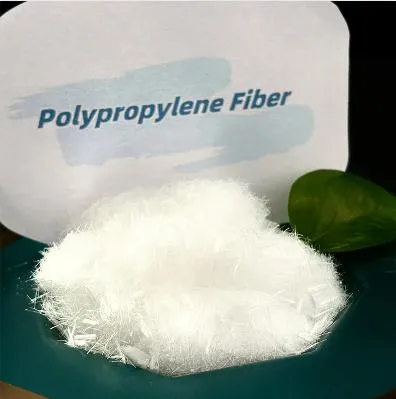
The Role of Manufacturers in the Production of PP Fiber Polypropylene (PP) fiber has gained significant popularity in the textile and industrial sectors due to its unique properties, including lightweight, durability, and resistance to moisture and chemicals. This versatile material is commonly used in various applications, from clothing to carpets and industrial packaging. The manufacturers of PP fiber play a crucial role in ensuring the quality, efficiency, and innovation of this essential material. This article delves into the key aspects of PP fiber manufacturing, its significance, and the future of this industry. Understanding PP Fiber PP fiber is derived from polypropylene, a thermoplastic polymer. The manufacturing process involves polymerization, where propylene monomers are chemically reacted to form long chains of polypropylene. These chains are then spun into fibers through a process known as melt spinning. As a result, manufacturers can produce fibers of different thicknesses and characteristics, catering to diverse applications. Key Manufacturers Several key players dominate the PP fiber manufacturing landscape. Companies such as Reliance Industries, Indorama Ventures, and LyondellBasell are among the largest producers globally. These manufacturers utilize cutting-edge technology and innovative practices to produce high-quality fibers that meet international standards. Their commitment to research and development has led to advancements in fiber properties, including enhanced strength, UV resistance, and dyeability. Quality Control and Innovation Quality control is paramount in the production of PP fiber. Manufacturers conduct rigorous testing and inspections at various stages of production to ensure that the final product meets specified standards. This includes assessing the fiber's tensile strength, elongation, and resistance to chemicals. By investing in advanced testing equipment and technologies, manufacturers can maintain high quality and consistency, ultimately leading to increased customer satisfaction. mga tagagawa ng pp fiber Innovation is another critical aspect of PP fiber production. As the demand for sustainable and eco-friendly materials rises, manufacturers are exploring new ways to produce PP fibers with a reduced environmental impact. This includes using recycled materials and developing biodegradable PP fibers. By focusing on sustainability, manufacturers are not only meeting market demands but also contributing to global efforts in reducing plastic waste. Applications of PP Fiber PP fiber's versatility allows it to be used in various applications across different industries. In the textile industry, it is widely utilized in making clothing, upholstery, and home furnishings due to its lightweight and breathable nature. In the industrial sector, PP fiber is used for manufacturing geotextiles, ropes, carpets, and automotive interior components. Additionally, its chemical resistance makes it suitable for applications in the medical field, such as disposable surgical gowns and coverings. Challenges in the Industry Despite the many advantages of PP fiber, manufacturers face several challenges. One significant issue is the fluctuating prices of raw materials, particularly propylene. This volatility can affect production costs and ultimately impact pricing for consumers. Additionally, the environmental concerns associated with plastic production require manufacturers to adapt and find sustainable solutions. Striking a balance between profitability and environmental responsibility is a challenge that continues to shape the industry. The Future of PP Fiber Manufacturing Looking ahead, the future of PP fiber manufacturing appears promising. As technology continues to advance, manufacturers will likely develop even stronger and more versatile fibers. Innovations in production processes may lead to greater efficiency, reduced costs, and enhanced sustainability. Furthermore, as global consumer preferences shift towards more sustainable products, manufacturers will need to adapt quickly to remain competitive. In conclusion, manufacturers of PP fiber play a vital role in the textile and industrial markets. Their commitment to quality, innovation, and sustainability shapes the future of this material. As they navigate the challenges of raw material volatility and environmental concerns, these manufacturers will undoubtedly pioneer new solutions and practices that benefit both their businesses and the global community. As PP fiber continues to evolve, it will remain an essential material in our everyday lives, highlighting the integral role of its manufacturers.
advantages
-

200000 Viscosities
Excellent product
We can produce pure products up to 200,000 viscosities
-

40000 tons
High yield
We don’t stop production all year round, and the annual output can reach 40,000 tons
-

24 hours
Quality service
We provide 24-hours online reception service, welcome to consult at any time
———— Inquiry Form
Schedule A services

-
 redispersible_polymer_powder
Oct . 25, 2025
Redispersible polymer powder is an essential ingredient in many modern construction and manufacturin -
 poudre_redispersable
Oct . 25, 2025
In the realm of construction and architecture, building coating adhesives have become an essential c -
 fibre_slab
Oct . 25, 2025
Redispergable Latex Powder An Innovative Solution in the Coating Industry In recent years, the deman


